

Processed foods have become a regular part of everyday life. From breakfast cereals and frozen meals to canned vegetables and packaged snacks, it’s hard to avoid them completely. However, not all processed foods are created equal. While some can fit into a healthy diet, others may contribute to health problems when eaten too often. Understanding how processed foods affect your body can help you make informed choices without feeling like you have to give up all your favorite foods.
What Are Processed Foods?
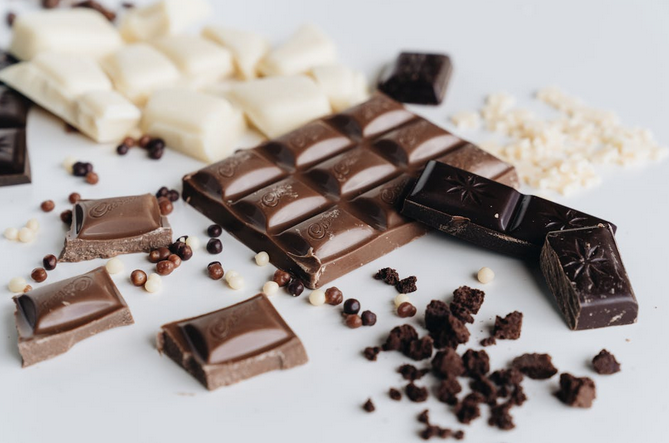
A processed food is simply any food that has been changed from its natural state in some way. That can include washing, freezing, canning, cooking, or adding ingredients to improve flavor or shelf life. For example, frozen fruits, plain yogurt, and canned beans are processed foods, but they can still be nutritious. Highly processed foods, on the other hand, often contain added sugar, unhealthy fats, sodium, artificial flavors, and preservatives. Knowing the difference is the first step toward making healthier decisions.
How Processed Foods Affect Your Body
Your body uses nutrients from food to produce energy, repair tissues, and support important functions. Many highly processed foods are high in calories but low in vitamins, minerals, and fiber. This means you may feel full for a short time without giving your body the nutrients it needs. Over time, regularly eating large amounts of highly processed foods may increase the risk of obesity, heart disease, type 2 diabetes, and other chronic health conditions.
The Hidden Ingredients You Should Watch For
Many packaged foods contain ingredients that are easy to overlook. Added sugars can appear under different names such as corn syrup, dextrose, or cane sugar. High levels of sodium are common in frozen meals, canned soups, and processed meats. Some products also contain unhealthy fats that can negatively affect heart health when consumed in excess. Reading nutrition labels can help you identify these ingredients and choose products that better support your health.
Can Processed Foods Be Part of a Healthy Diet?

The good news is that you do not have to eliminate all processed foods from your meals. Many minimally processed foods offer convenience while still providing valuable nutrients. Frozen vegetables, whole grain bread, canned tuna, and plain oatmeal are excellent examples. The key is to focus on balance. Choosing mostly whole foods while including healthier processed options can make healthy eating both realistic and enjoyable.
How Processed Foods Influence Your Energy
Have you ever felt hungry again shortly after eating a bag of chips or a sugary snack? Highly processed foods often digest quickly because they contain refined carbohydrates and very little fiber or protein. This can cause blood sugar levels to rise rapidly and then fall just as fast, leaving you feeling tired and hungry again. Meals that include whole grains, lean protein, healthy fats, and fruits or vegetables tend to provide more steady energy throughout the day.
Simple Ways to Reduce Processed Foods
Making healthier food choices does not have to happen overnight. Small changes can have a big impact over time. Preparing meals at home more often allows you to control the ingredients you use. Swapping sugary drinks for water, choosing fresh fruit instead of candy, and selecting whole grain products over refined ones are simple steps that can improve your overall diet. Gradual changes are often easier to maintain than trying to completely change your eating habits all at once.
Finding the Right Balance

Healthy eating is not about striving for perfection. There will always be times when convenience foods make sense, whether you are traveling, working late, or simply short on time. Instead of labeling foods as completely good or bad, think about your overall eating pattern. If most of your meals include nutritious, whole foods, enjoying processed foods occasionally is unlikely to have a major impact on your health. Building sustainable habits is far more important than following strict food rules.
Processed foods are not all unhealthy, but choosing them wisely is important. By focusing on minimally processed options and enjoying highly processed foods in moderation, you can support your health while still enjoying a practical and balanced diet.